

Engineered Wood Flooring vs. Hardwood Flooring: Which Is the Better Option?
Choosing between engineered wood flooring and hardwood flooring starts with understanding what each option is designed to do. Both can create a warm, natural look, and both can work well in homes or businesses when they are matched to the right space. The better choice depends on the building, the desired appearance, the expected wear, and the long-term plans for the floor.
Making this decision is especially important before flooring installations because wood floors are not selected on appearance alone. The structure of the product, the way it responds to daily use, and the type of installation involved all affect how satisfied someone will be years later. Read here to learn how a thoughtful comparison helps narrow the options before a project begins.
Compare the Construction of Each Flooring Type
Hardwood flooring, often called solid wood flooring, is made from a single piece of wood. That construction gives it a traditional feel and a long-standing reputation for durability. It is often chosen by people who want an authentic wood floor with natural character, especially when they value the idea of refinishing it later.
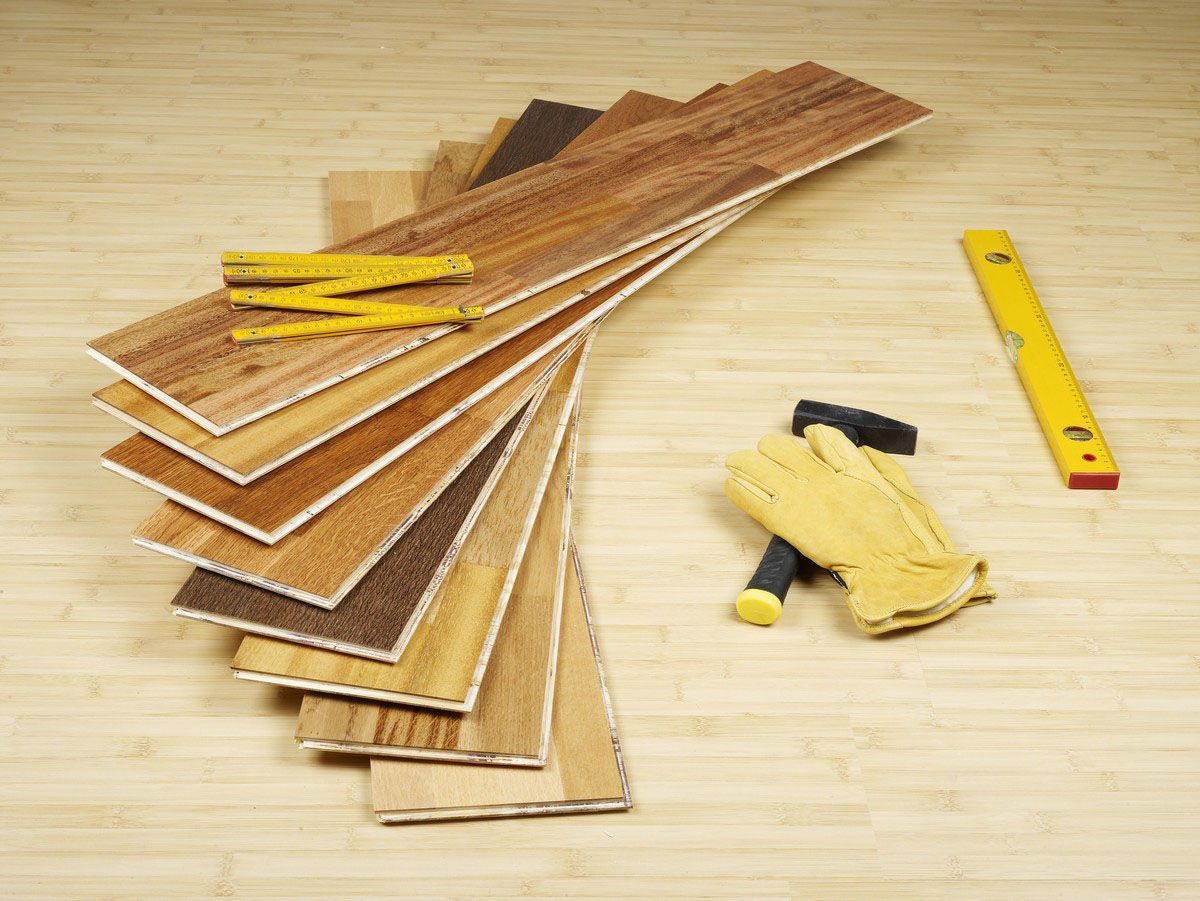
Engineered wood flooring is different because it has a real wood surface over a layered core. This structure gives it the appearance of wood while adding dimensional stability. For some flooring installations, engineered wood may be appealing because it offers the look of hardwood with a construction that can suit a wider range of settings.
Think About Longevity and Future Refinishing
Longevity is one of the biggest differences to consider. According to The Spruce, engineered hardwood flooring typically lasts 20 to 30 years, while hardwood flooring lasts 30 to 50 years or more. That does not mean one option is automatically better, but it does show why long-term expectations should be part of the decision.
Hardwood flooring is often preferred by people who want the option to refinish, restore, or change the appearance of the floor over time. Older hardwood floors can often be repaired, refinished, custom-stained, and restored when they become worn or when the owner wants a new look. Engineered wood may also offer long-lasting beauty, and any future refinishing options depend on the product's construction and wear layer.
Consider the Room and Building Conditions
The room itself should influence the flooring choice. Solid wood responds to changes in moisture and temperature, so it is often best suited for areas where conditions remain more stable. When a space experiences seasonal changes, heavy use, or varying indoor conditions, product selection becomes especially important.
Engineered wood flooring is often considered when someone wants wood flooring in a setting where stability is a priority. Its layered construction can help it respond differently to expansion and contraction than solid wood. Before flooring installations, it is worth thinking about the room's purpose, the amount of foot traffic, and how the floor will need to perform over time.
Decide How Important Custom Design Details Are
Some projects are straightforward, while others call for more decorative detail. Hardwood and engineered wood can both support attractive design choices, but the right product depends on the desired final look. Plank flooring, borders, inlays, and wood medallions can all affect the character of a room and make the floor feel more intentional.
Custom designs may matter most in spaces where the floor is meant to serve as a focal point. A border can help define a room, while an inlay or medallion can add a more formal or distinctive feature. For flooring installations that involve these details, planning matters because the material, layout, and installation approach need to work together.
Look at Prefinished and Unfinished Options
The finish is another practical factor. Prefinished flooring arrives with its surface treatment already applied, which can make the installation process more predictable. This option may appeal to someone who wants a real wood surface with a stable structure and a finished surface suited to regular use.
Unfinished wood flooring allows the surface to be finished after installation. This can be helpful when someone wants a custom stain or a more specific final appearance. However, it also adds another step to the project. Anyone comparing hardwood and engineered wood should consider whether they prefer the convenience of prefinished flooring or the flexibility that can come with finishing on-site.
Factor in Stairs, Trim, and Transitions
Flooring decisions often extend beyond the main surface of a room. Stairs, moldings, trim, and stair caps can affect whether the finished project feels complete. A floor may look beautiful in the center of the room, but the surrounding details still need to connect cleanly with doorways, walls, and elevation changes.
These details are especially important for flooring installations that cover multiple rooms or move between different areas of a home or business. The main flooring material should coordinate with the supporting pieces so the project does not feel pieced together. Thinking through transitions early can prevent awkward visual breaks later.
Weigh Maintenance Expectations
Every wood floor needs care, but maintenance expectations differ depending on the material and finish. Solid hardwood may appeal to someone who values long-term restoration potential. If the floor becomes worn, repairs, refinishing, or custom staining may help refresh its appearance, depending on the condition of the wood.
Engineered wood flooring may appeal to someone who wants a wood-look floor with a stable structure and a finished surface suited to regular use. Its maintenance needs can vary by product, finish, and wear layer. For either option, the best choice is the one that fits the owner's tolerance for upkeep, future repair possibilities, and daily traffic.
Match the Floor to the Style of the Space
The visual effect of the floor should match the room's architecture and purpose. Domestic hardwoods, exotic hardwoods, antique wood, reclaimed wood, solid wood, and engineered wood can each create a different impression. Some options feel clean and modern, while others add a more rustic, traditional, or distinctive look.
For commercial spaces, appearance may need to balance durability with a polished presentation. For residential spaces, comfort, warmth, and personal style may guide the decision. Flooring installations should support the atmosphere of the room rather than simply fill the space with a standard material.
Think About Product Selection and Installation Together
A flooring product should not be chosen separately from the installation method. Floating floors and glue-down floors can each suit different products and project conditions. The room layout and chosen material both influence which approach makes sense.
This is one reason it helps to compare products with the full project in mind. A floor that looks ideal in a showroom still needs to work with the actual space. Before flooring installations begin, property owners should understand how the product, installation details, and finishing elements will come together.
Choose Based on Priorities, Not Assumptions
Engineered wood flooring and hardwood flooring both have strong advantages. Engineered wood may be the better option for someone who wants the appearance of wood with added structural stability. Hardwood may be the better choice for someone who wants a traditional, solid wood floor with a longer lifespan and more refinishing potential.
When it comes to deciding between engineered wood flooring and hardwood flooring, it's best to consider how each solution might fit your design goals. Longevity, design flexibility, room conditions, and maintenance needs are all crucial factors to consider. As a source of professional flooring installations, Prestige Flooring is happy to provide you with additional information about both of these flooring options. For anyone comparing these flooring choices, give us a call!
Share On: