
Wood Flooring Changes in 2026: Trends in Wider Planks, Matte Finishes, and Natural Wood Looks
In the realm of interior design, significant transformations are underway as home improvement standards evolve toward 2026. Wood flooring, a staple in residential spaces for its enduring elegance and natural warmth, is undergoing dramatic shifts driven by shifting consumer tastes and rapid manufacturing innovations. Wider planks, matte finishes, and authentic natural appearances have emerged as the defining elements of modern floor design. These updates represent more than mere visual preferences; they reflect broader lifestyle changes, a demand for low-maintenance living, and an increased commitment to environmental responsibility.
The Shift to Wider Planks
Historically, solid hardwood floors relied on narrow strips ranging between two and three inches wide. This standard was largely dictated by traditional timber cutting methods and material availability. Modern manufacturing techniques have reshaped these limitations, allowing wider planks to transition from an exclusive luxury feature into an accessible mainstream standard.
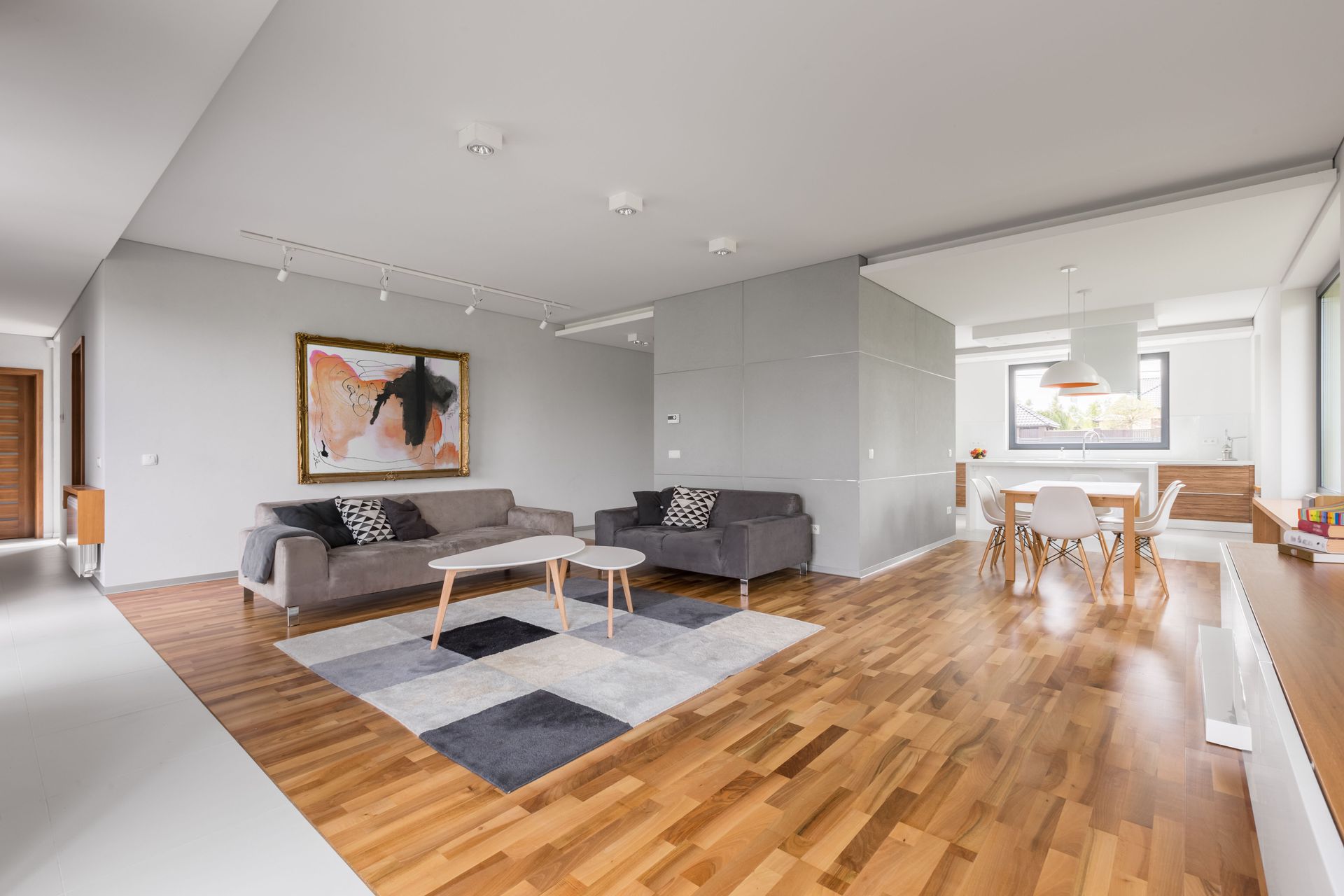
Homeowners increasingly favor wider planks because they create a cohesive, expansive visual field. By reducing the overall number of seams across a room, wider boards minimize visual clutter and make smaller spaces feel significantly larger. Furthermore, fewer gaps between boards simplify daily cleaning and routine maintenance.
The production of these larger boards relies heavily on modern equipment. More than half (54%) of wood flooring manufacturers invested in new technology in 2025 to improve their production, according to NWFA’s 2026 Industry Outlook survey. These technological investments allow producers to craft wider engineered and solid planks with superior structural stability, reducing the risk of cupping or warping over time. Choosing proper wood flooring installation techniques ensures these expansive boards remain securely anchored and visually seamless for decades.
The Rise of Matte Finishes
Low-sheen and matte finishes are rapidly replacing high-gloss coatings in contemporary residential spaces. Characterized by a non-reflective surface, matte finishes offer an understated, organic look that highlights the natural character of the timber.
Unlike high-gloss surfaces that reflect harsh overhead lighting and reveal every speck of dust, matte floors absorb ambient light to create a calm, inviting atmosphere. They are exceptionally forgiving in high-traffic households, easily concealing minor surface scratches, pet paw prints, and daily wear.
From an environmental perspective, modern matte coatings frequently utilize advanced water-based formulations rather than traditional solvent-based varnishes. This shift significantly reduces volatile organic compound emissions, contributing to healthier indoor air quality while delivering a durable, protective barrier against everyday moisture and foot traffic.
The Allure of Natural Wood Looks
In response to increasingly digitized lives, interior design is embracing authentic, organic textures. Natural wood appearances highlight raw grain patterns, subtle mineral streaks, and realistic color variations without heavy stains or artificial colorations.
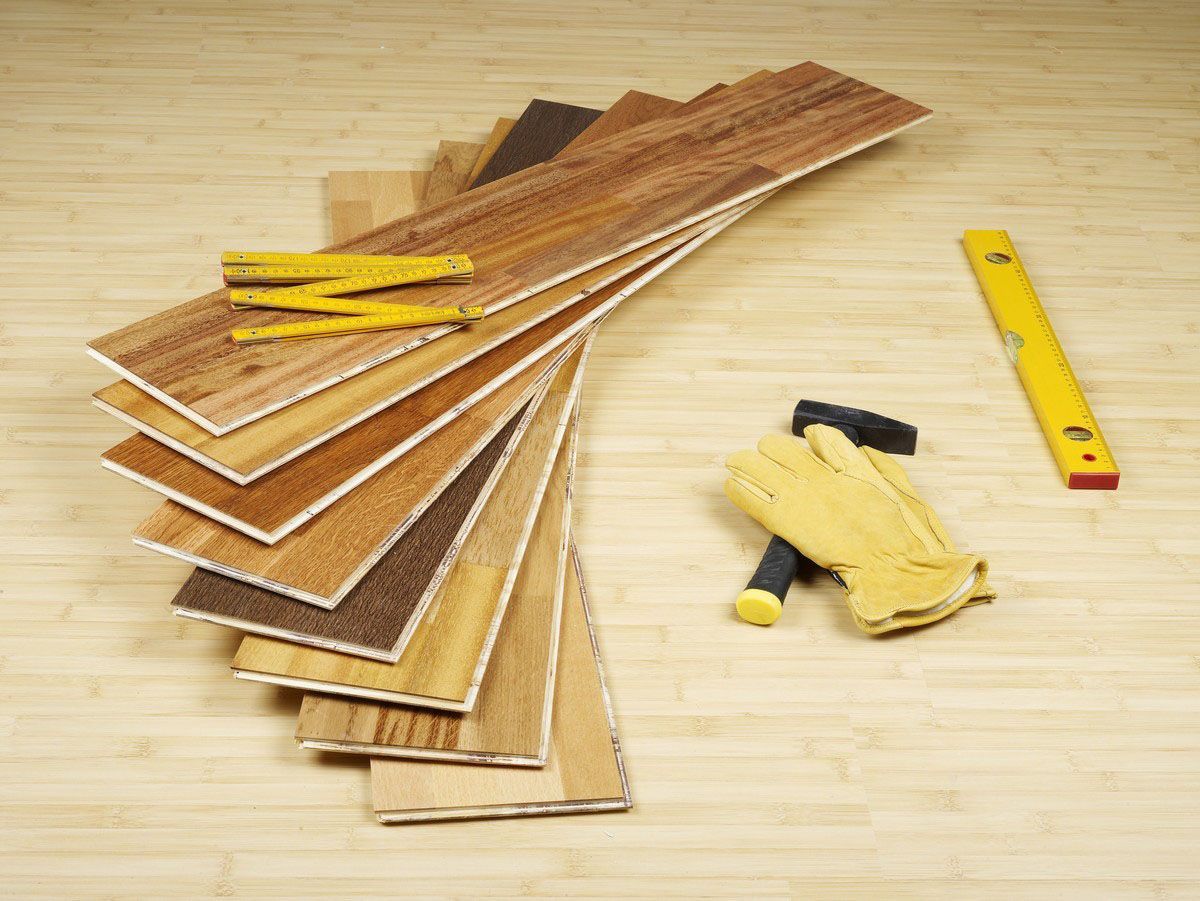
High-definition surface texturing and refined slicing methods allow manufacturers to preserve the authentic character of popular timber species. White oak remains a dominant choice due to its neutral undertones and versatile graining, while walnut, hickory, and ash offer rich depth and distinct visual character.
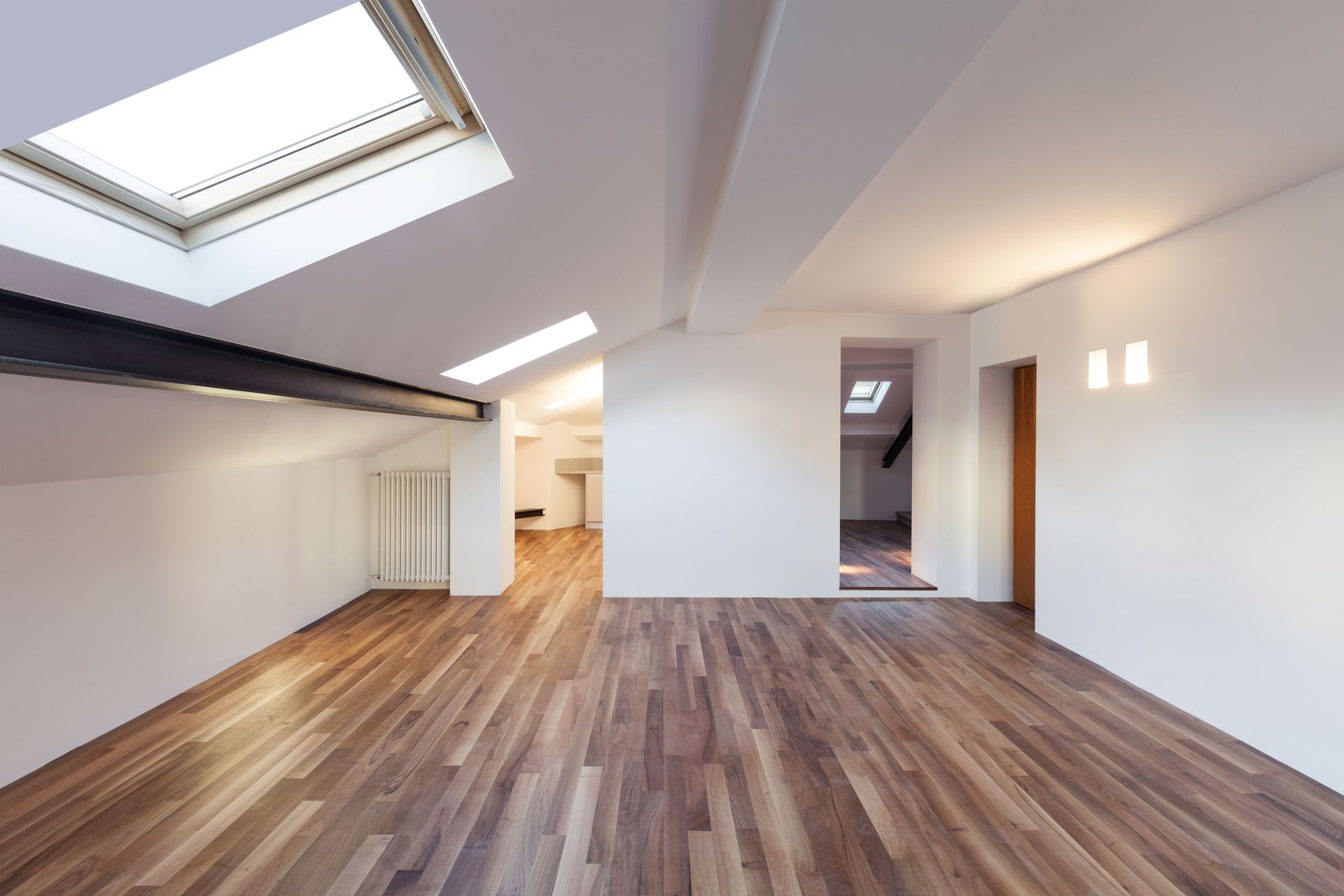
Integrating authentic timber tones into a home enhances long-term aesthetic flexibility. Neutral, natural floors pair effortlessly with evolving decor styles, helping maintain property appeal and supporting long-term resale value. Precise wood flooring installation lays the foundation for a timeless aesthetic that adapts to future interior design trends.
Environmental Sustainability and Material Innovations
Sustainability has moved from a niche preference to a core requirement across the building industry. Manufacturers are prioritizing responsible forestry, relying on certification frameworks like the Forest Stewardship Council to verify that raw timber is harvested sustainably.
Beyond freshly harvested timber, reclaimed wood and engineered hardwood constructions are playing a central role in resource conservation. Engineered options maximize the yield of slow-growing hardwoods by applying a high-grade veneer over stable, fast-growing core layers, offering high stability while utilizing fewer natural resources.
Sustainable manufacturing practices extend to the home environment. By selecting responsibly sourced materials installed with low-emission adhesives, property owners can build healthier living spaces while reducing their overall environmental footprint. Selecting certified materials handled through professional wood flooring installation preserves environmental integrity from the mill to the living room.
Industry Predictions and Future Market Trends
Design experts anticipate that upcoming residential projects will increasingly blend traditional wood craftsmanship with modern technological performance. Custom wire-brushed textures, custom plank lengths, and subtle reactive stains will gain popularity among homeowners seeking personalized spaces.
Technological advancements are also expanding floor functionality. Improved surface treatments offer enhanced scratch resistance, while advanced core constructions allow real wood surfaces to be installed over radiant heating systems or in moisture-prone areas where solid wood was previously impractical.
Despite ongoing supply chain adjustments and fluctuating raw material costs, consumer demand for authentic hardwood surfaces remains robust. Proper surface preparation and specialized wood flooring installation help maximize product lifespan, allowing homeowners to navigate market costs by making durable, long-term investments in their properties.
Economic Impact and Home Resale Considerations
Upgrading to modern wood surfaces offers strong financial returns for homeowners. High-quality flooring consistently ranks among the most desirable interior features for prospective home buyers, often accelerating sales velocity and boosting overall market valuation.
While wider planks and specialized matte treatments may carry a higher initial material expense, their long-term durability mitigates ongoing repair costs. Durable finishes require less frequent refinishing, providing sustained cost efficiency over the life of the surface.
Achieving maximum financial return requires correct surface preparation and precise fitting. Partnering with experienced tradespeople for your wood flooring installation ensures that plank alignments, expansion gaps, and subfloor moisture barriers meet manufacturer specifications, protecting your financial investment.
The Impact of Radiant Heating Compatibility
As modern architectural designs increasingly prioritize energy efficiency and home comfort, the integration of underfloor radiant heating systems has reshaped expectations for hardwood floors. Homeowners no longer want to choose between the natural beauty of real timber and the gentle, even warmth of modern heating solutions, driving a major shift toward heat-compatible wood products.
Traditional solid hardwood can expand and contract significantly when exposed to the direct heat cycles of radiant systems, potentially leading to gapping, cupping, or surface cracking over time. To solve this challenge, manufacturers have focused heavily on advanced engineered board constructions that feature dimensional stability, allowing heat to transfer efficiently without compromising the structural integrity of the plank.
Achieving seamless performance over subfloor heating requires strict adherence to climate controls and precise board selection. Executing a specialized wood flooring installation over radiant heat sources ensures proper moisture barrier application, correct adhesive selection, and careful thermal calibration, allowing property owners to enjoy luxurious warm floors without sacrificing long-term durability.
The flooring landscape of 2026 centers on authentic aesthetics, functional durability, and environmental accountability. Wider boards establish a spacious, seamless visual layout across open floor plans, while low-sheen matte finishes offer a sophisticated, low-maintenance elegance that easily hides daily wear. At the same time, natural wood tones and organic textures bring timeless warmth, character, and tranquility to modern interiors, effortlessly bridging the gap between nature and contemporary design.
Choosing the right flooring involves balancing immediate visual appeal with long-term performance, home value, and sustainability. Premium timber choices, eco-conscious manufacturing practices, and structural innovations all work together to create surfaces that resist changing trends and daily demands alike. However, even the highest-grade materials require precision, proper subfloor preparation, and technical expertise during execution to achieve their full potential and ensure lasting performance over time.
Investing in quality materials and expert craft ensures these surfaces deliver lasting value, structural integrity, and everyday comfort for decades to come. Whether you are remodeling a single room or redesigning an entire residence, thoughtful planning from material selection to final fitting makes all the difference. When you are ready to transform your living spaces with expert craftsmanship and premium materials, trust Prestige Flooring Interiors to bring your vision to life.
Share On: